

How to Prepare for Spine Surgery: A Patient's Guide
Prepare for spine surgery by stopping smoking, optimizing your nutrition and any medical conditions, completing pre-operative testing, arranging help and a recovery setup at home.

Prepare for spine surgery by stopping smoking, optimizing your nutrition and any medical conditions, completing pre-operative testing, arranging help and a recovery setup at home.

Choose a hospital-based spine surgeon if you value the in-network simplicity and large system support that come with a hospital employer; choose a private-practice spine surgeon if you value scheduling speed
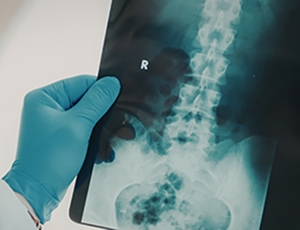
Every spine surgery carries real risks: infection, bleeding, nerve injury, anesthesia-related complications, dural tears, and procedure-specific risks that depend on what is being done.

Your first spine surgery consultation typically takes 45 to 60 minutes and covers four things: your history, a focused physical exam, a review of your imaging.

Spine surgery costs depend on three things: the specific procedure, your insurance plan, and whether your surgeon and facility are in-network or out-of-network.

Most patients recover enough from minimally invasive spine surgery to return to desk work within 2 to 3 weeks, and to full activity within 6 to 12 weeks.

For most spine conditions, conservative treatment is the right starting point, and surgery only becomes the right call when conservative care has failed.
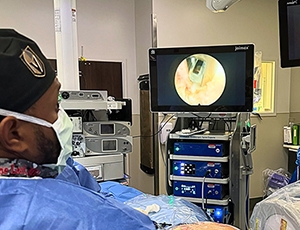
Minimally invasive spine surgery (MIS) is right for most patients who need spine surgery but want smaller incisions, less muscle damage.
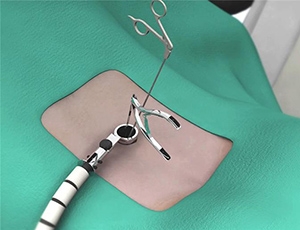
When most people think about spine surgery, they imagine long incisions, significant pain, and months of recovery.

While spine health is shaped by multiple factors (age, weight, injury, posture, and genetics), climate and environment can absolutely influence the way...