

When most people think about spine surgery, they imagine long incisions, significant pain, and months of recovery. But modern spine surgery has evolved—and so have the surgeons who perform it. At my practice, I specialize in endoscopic and minimally invasive spine surgery—advanced techniques that allow patients to get back to their lives faster, with less pain, and often with scars so small they’re hard to find.
What Is Endoscopic Spine Surgery?
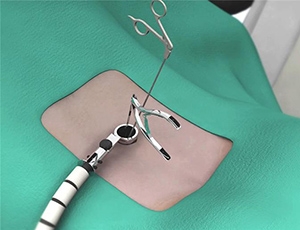
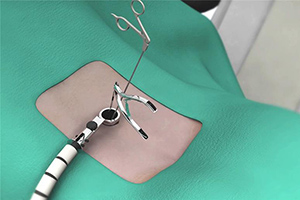
Endoscopic spine surgery is one of the most advanced forms of minimally invasive surgery. Using a tiny camera (endoscope) and specialized instruments, I’m able to treat disc herniations, stenosis, and other spinal conditions through an incision often less than one centimeter in size. The camera provides a high-definition, magnified view of the spinal nerves and structures, allowing for precise treatment with minimal disruption of muscles and soft tissues.
Patients who undergo endoscopic surgery typically experience:
- Smaller scars (sometimes smaller than your fingertip)
- Less muscle damage compared to traditional open surgery
- Reduced blood loss during surgery
- Faster recovery times—sometimes returning to work or daily activities in days instead of weeks
- Less need for narcotic pain medications
How Minimally Invasive Spine Surgery Differs
Minimally invasive spine surgery (MISS) uses specialized tubular retractors and imaging guidance to perform procedures like fusions, decompressions, and instrumentation through incisions far smaller than traditional open surgery. While the incisions may be slightly larger than those used in endoscopic surgery, MISS still significantly reduces trauma compared to standard approaches.
Both techniques—endoscopic and minimally invasive—share the same goal: fix the problem while preserving as much normal anatomy as possible.
Why Training Matters
It’s important to understand that not every spine surgeon performs endoscopic procedures. These techniques require additional, highly specialized training beyond standard spine surgery. Mastering the use of the endoscope and advanced navigation tools demands time, practice, and a commitment to bringing patients the latest innovations.
By comparison, many surgeons still perform traditional open surgery, which involves larger incisions, longer recovery times, and more pain. While open surgery is sometimes necessary, patients deserve access to advanced options that prioritize faster recovery and better outcomes.
The Bottom Line
Spine surgery doesn’t have to mean long scars, long hospital stays, and long recoveries. With endoscopic and minimally invasive techniques, patients often get the relief they need with far less disruption to their lives.
If you’re struggling with back or neck pain and have been told you may need surgery, it's worth asking: "Is there a less invasive option for me?"
As a surgeon trained in both endoscopic and minimally invasive spine surgery, I’m here to help patients get the best possible outcome—with the smallest incision necessary.