

Cervical myopathy, a condition associated with spinal cord compression in the neck region, can lead to debilitating symptoms such as weakness, numbness, and coordination issues. As a nationally recognized spine surgeon with years of experience, I often see patients who are confused about their symptoms and the best course of action. In this blog, I will explain cervical myopathy, its causes, symptoms, diagnosis, and treatment options.
What is Cervical Myopathy?
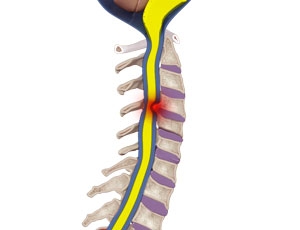
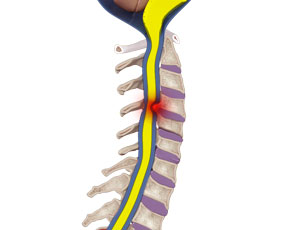
Cervical myopathy occurs when the spinal cord is compressed in the cervical (neck) region, often due to degenerative changes, herniated discs, or bone spurs. This compression can disrupt nerve signals, leading to a range of neurological symptoms.
Symptoms to Look For
Symptoms of cervical myopathy can vary widely and may include:
- Weakness in the arms or legs
- Numbness or tingling in the extremities
- Difficulty with coordination and balance
- Changes in fine motor skills
- Neck pain and stiffness
Diagnosing Cervical Myopathy
Diagnosis typically involves a thorough medical history, physical examination, and imaging studies, such as MRI or CT scans, to assess spinal cord compression. Electromyography (EMG) may also be used to evaluate nerve function.
Treatment Options
Treatment for cervical myopathy depends on the severity of symptoms and the underlying cause of spinal cord compression. Common approaches include:
- Conservative Treatment: Physical therapy, medications, and lifestyle modifications may help alleviate symptoms.
- Injections: Corticosteroid injections can reduce inflammation and pain.
- Surgery: In cases of severe compression, surgical intervention may be necessary to decompress the spinal cord and stabilize the spine.
Cervical myopathy can significantly impact daily life, but early diagnosis and treatment can lead to improved outcomes. If you are experiencing any symptoms associated with this condition, don’t hesitate to reach out to a spine specialist like myself. With years of experience and a commitment to patient care, I can help develop a personalized treatment plan to help you regain your quality of life.