

Chronic pain can be an overwhelming and debilitating experience, affecting every aspect of life. For those suffering from conditions such as neuropathic pain or failed back surgery syndrome, spinal cord stimulation (SCS) may offer a new ray of hope. As a national leader in spinal surgery, I frequently encounter patients who have questions about this innovative treatment option. With years of experience in the field, I aim to demystify spinal cord stimulation and discuss its benefits, limitations, and what you can expect if you consider this therapy.
What is Spinal Cord Stimulation?
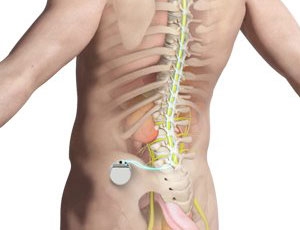
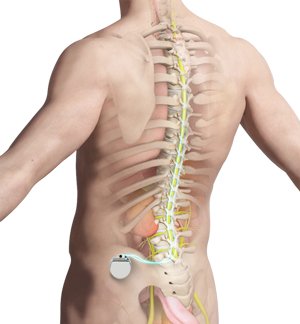
Spinal cord stimulation is a minimally invasive procedure that involves implanting a small device, similar to a pacemaker, that sends electrical impulses to the spinal cord. These impulses interfere with the nerve signals that transmit pain, effectively "masking" the pain sensation and providing relief. The device can be adjusted externally to suit individual needs, making it a flexible option for pain management.
Who Can Benefit from SCS?
SCS is typically recommended for patients suffering from chronic pain that has not responded to conservative treatments, such as physical therapy, medications, or injections. Conditions that may warrant SCS include:
- Neuropathic pain
- Complex regional pain syndrome (CRPS)
- Failed back surgery syndrome
- Chronic pain due to trauma or injury
The Procedure
The process begins with a trial phase, during which a temporary lead is placed in the epidural space near the spinal cord. This allows patients to experience the therapy's effects before committing to a permanent implant. If the trial is successful, a permanent device is implanted under the skin.
Benefits and Risks
One of the most significant advantages of spinal cord stimulation is its ability to reduce pain and improve quality of life without the need for long-term opioid use. However, like any medical procedure, SCS does come with risks, including infection, lead migration, and in rare cases, nerve damage.
Spinal cord stimulation is a promising option for individuals struggling with chronic pain. If you're considering this treatment, it’s essential to consult with a spine specialist like myself, who has years of experience and a proven track record in successfully treating such conditions. Together, we can determine if you’re a suitable candidate and develop a personalized treatment plan to improve your quality of life.