

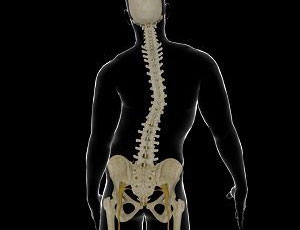
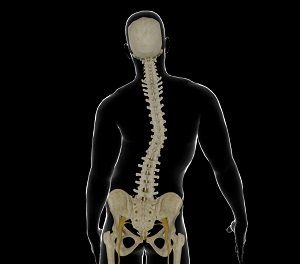
Adolescent idiopathic scoliosis (AIS) is a common spinal deformity affecting children and teenagers, characterized by an abnormal sideways curvature of the spine. As a nationally recognized spine surgeon, I have worked with many families navigating the challenges of this condition. My years of experience in treating scoliosis allow me to provide comprehensive insights into AIS, its causes, symptoms, and treatment options.
What is Adolescent Idiopathic Scoliosis?
AIS is defined as a lateral curvature of the spine that occurs during the growth spurts of adolescence and has no known cause. The condition typically develops between the ages of 10 and 18, and while it can affect both genders, girls are more likely to develop a curve that necessitates treatment.
Symptoms to Watch For
Many adolescents with scoliosis may not exhibit noticeable symptoms. However, some common signs include:
- Uneven shoulders or hips
- A prominent shoulder blade
- A noticeable curve in the spine when viewed from the back
- Changes in posture
Diagnosis
Diagnosis typically involves a physical examination and imaging studies, such as X-rays, to assess the degree of curvature. The Cobb angle, measured on these X-rays, helps determine the severity of the scoliosis and guides treatment decisions.
Treatment Options
The treatment of AIS depends on several factors, including the severity of the curve, the age of the patient, and the potential for further growth. Common treatment options include:
- Observation: For mild curves (less than 20 degrees), regular monitoring may be all that's needed.
- Bracing: For moderate curves (20-40 degrees), a brace can help prevent further curvature during growth.
- Surgery: In severe cases (greater than 40 degrees), surgical intervention may be necessary to correct the curvature and stabilize the spine.
Conclusion
Understanding adolescent idiopathic scoliosis is crucial for early detection and effective treatment. As a spine specialist with years of experience, I encourage you to consult with a professional if you suspect your child may have scoliosis. Early intervention can significantly improve outcomes and quality of life for those affected by this condition.